If you want a Houston neighborhood where a park walk, library stop, coffee run, and quick errand can fit into one easy routine, West University and the Southside area deserve a closer look. You may not be looking for a high-rise district or a car-free lifestyle. You may just want a place where daily life feels a little simpler, greener, and more connected. This guide will show you what walkable living really looks like here, what kinds of homes shape that experience, and how to think about the area if you plan to buy or sell. Let’s dive in.
What Walkable Living Means Here
Walkable living in West University and the Southside area is best understood as walkable in patches, not fully urban in the way some downtown districts are. The area has a neighborhood-scale feel, mature trees, and a compact layout that supports short trips to parks, civic spaces, and nearby shops. At the same time, it remains mostly residential in character.
West University Place is almost completely developed, with most land devoted to single-family residential use. Southside Place has a similar compact pattern on a smaller scale, with civic life centered around its Town Center and park clubhouse area. That means your day-to-day experience may feel less like living in a dense mixed-use district and more like living in a quiet residential neighborhood with useful destinations close by.
Why the Area Feels Connected
One reason this part of Houston feels so livable is its location inside the Loop. West University Place sits minutes from downtown Houston, the Galleria, and the Texas Medical Center. That close-in setting helps you stay near major job centers and city amenities while still enjoying a more neighborhood-oriented environment.
Southside Place adds to that connected feel with its smaller footprint and long-established residential pattern. Bungalow construction there began in 1925, and the city now includes more than sixty businesses within its limits. Together, West University and Southside Place offer a blend of residential calm and practical convenience.
Parks Support Everyday Walking
For many people, walkability starts with being able to step outside and move. West U stands out here because the city lists 10 parks, and several are built for daily use rather than occasional visits. That makes it easier to turn a short walk into part of your normal routine.
Colonial Park includes a concrete jogging and walking track where seven laps equal one mile. Friends Park offers a more passive setting with seating and a clock tower. Other parks in West U add features like tennis courts, playgrounds, basketball courts, and walking trails.
The Edloe Street Pathway is another practical feature for people who value walkable living. It is about one-third of a mile long and includes benches, a drinking fountain, and a pet station. West U also notes bicycle and pedestrian bridges across Poor Farm Ditch to Edloe Street, which helps connect parts of the neighborhood for walking and biking.
Recreation Is Close to Home
Walkability is not only about sidewalks and shops. It is also about how easily you can reach places that support your routine. In West U, the Recreation Center adds another layer of convenience with an indoor and outdoor heated pool, weight room, racquetball and squash courts, and a dance room.
In Southside Place, recreation plays an even more central role in daily life. The city describes the clubhouse as its central gathering place, and the park field is public space maintained by the city. The pool operates seasonally for residents and their guests, which creates a simple house-to-park-to-pool rhythm that many buyers find appealing.
Town Center Anchors Daily Errands
In West U, Town Center is the key everyday hub. The city’s comprehensive plan describes roughly 25 acres that include West University Elementary, the city administration building, West University Baptist Church, the Harris County Library Branch, West University Methodist Church, and the retail area on Edloe. The plan also notes that most resident interaction happens there.
That matters because truly useful walkability often depends on whether daily stops cluster together. In this part of the neighborhood, they do. A normal day can include a school drop-off, a library visit, a park walk, and a quick stop for coffee or lunch without needing to travel far from the inner-loop core.
Rice Village Expands Your Options
Just outside the city boundary, Rice Village adds another layer to the area’s lifestyle appeal. The West U comprehensive plan identifies Rice Village as a nearby amenity, and the current property map shows a wide range of dining and retail tenants. For buyers thinking about convenience, that nearby mix can make a real difference.
Dining options listed on the property map include Black Walnut Cafe, D'Amico's, Hopdoddy Burger Bar, Prego, Shake Shack, Sixty Vines, Sweetgreen, Starbucks, and The Rice Box. That variety supports the kind of casual, flexible routine many people want, whether you are meeting a friend, grabbing lunch, or fitting in errands between appointments.
Transit Keeps the Area Flexible
Even in a neighborhood where many trips happen close to home, transit can make the area more useful. METRORail’s Red Line serves destinations including the Texas Medical Center, Museum District, Hermann Park, Rice University, Memorial Hermann Hospital, and the Houston Zoo. That expands your reach without changing the residential feel of where you live.
METRO’s 82 Westheimer route adds another practical option. On weekdays it runs every 8 minutes, and on weekends every 10 minutes. Stops and destinations listed for the route include Westheimer at Edloe, River Oaks Community Center, Highland Village, and Upper Kirby.
Home Styles Shape the Walking Experience
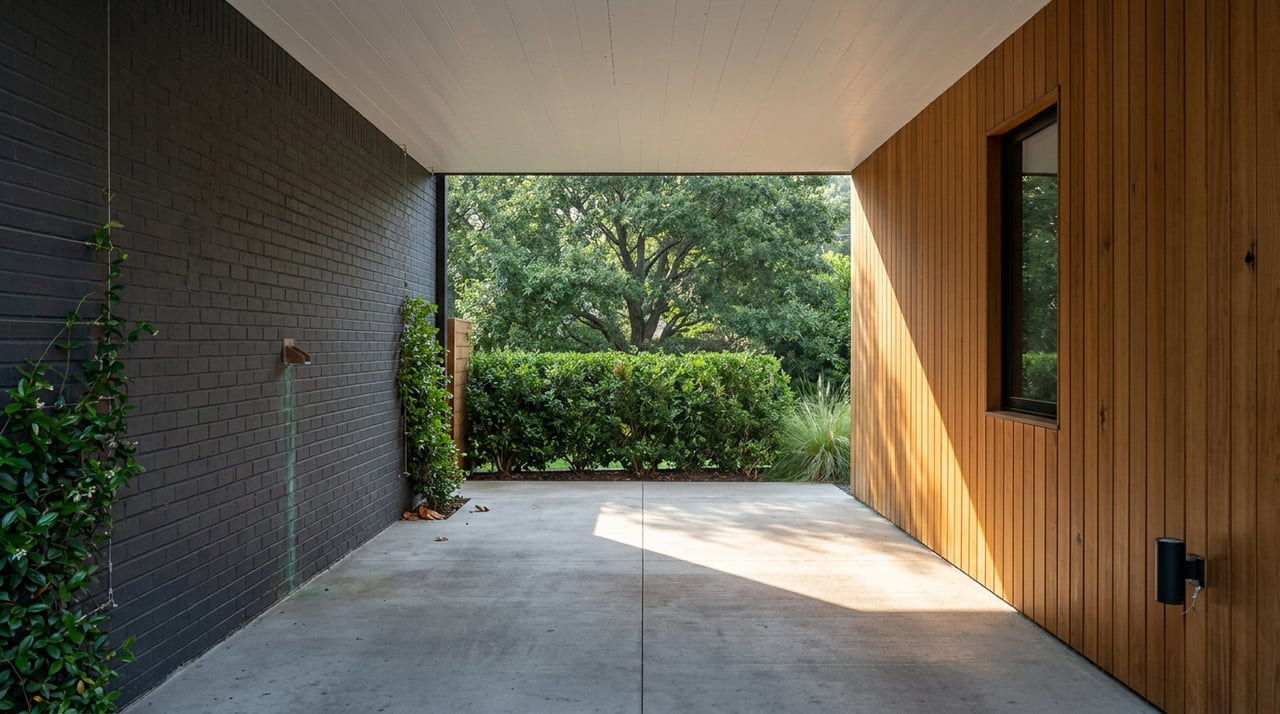
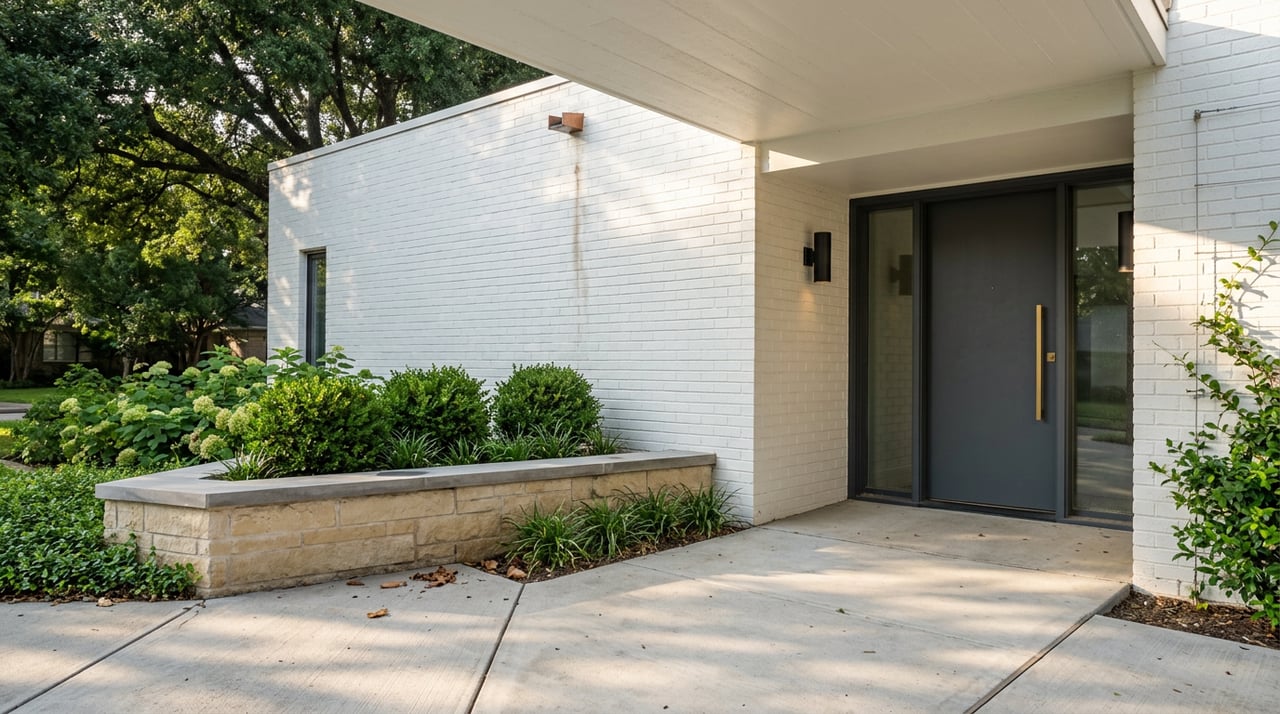
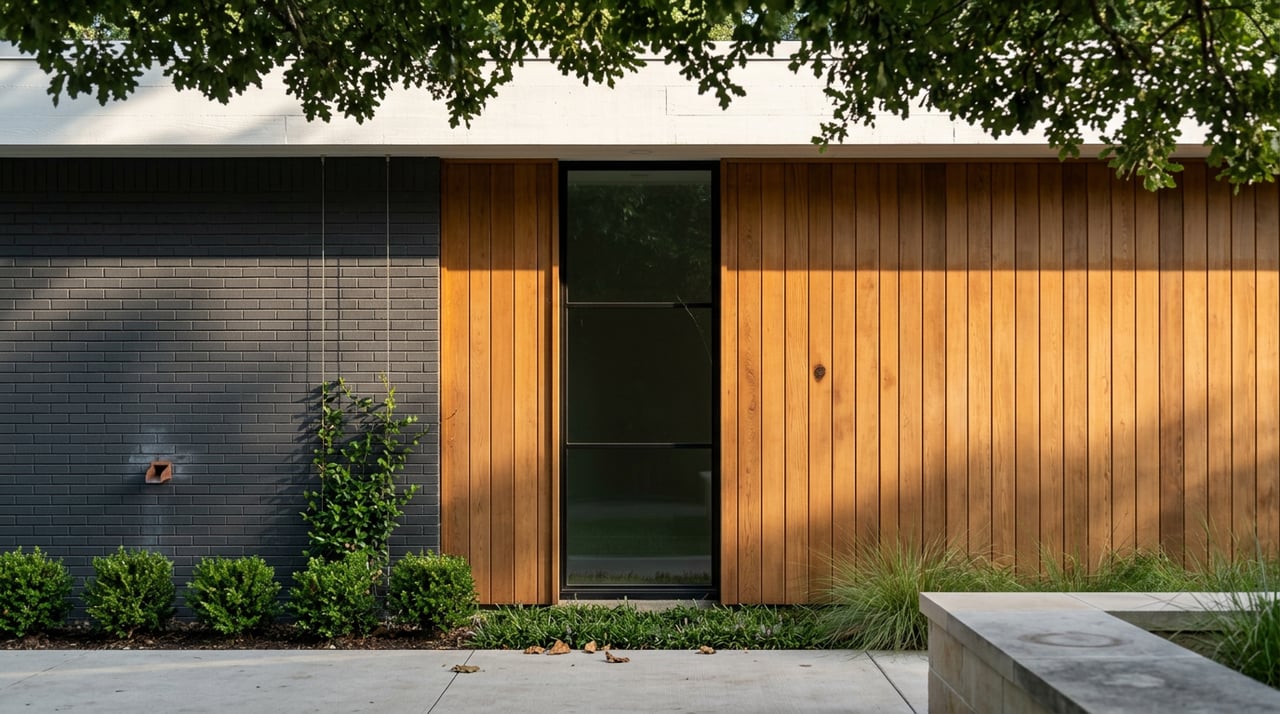
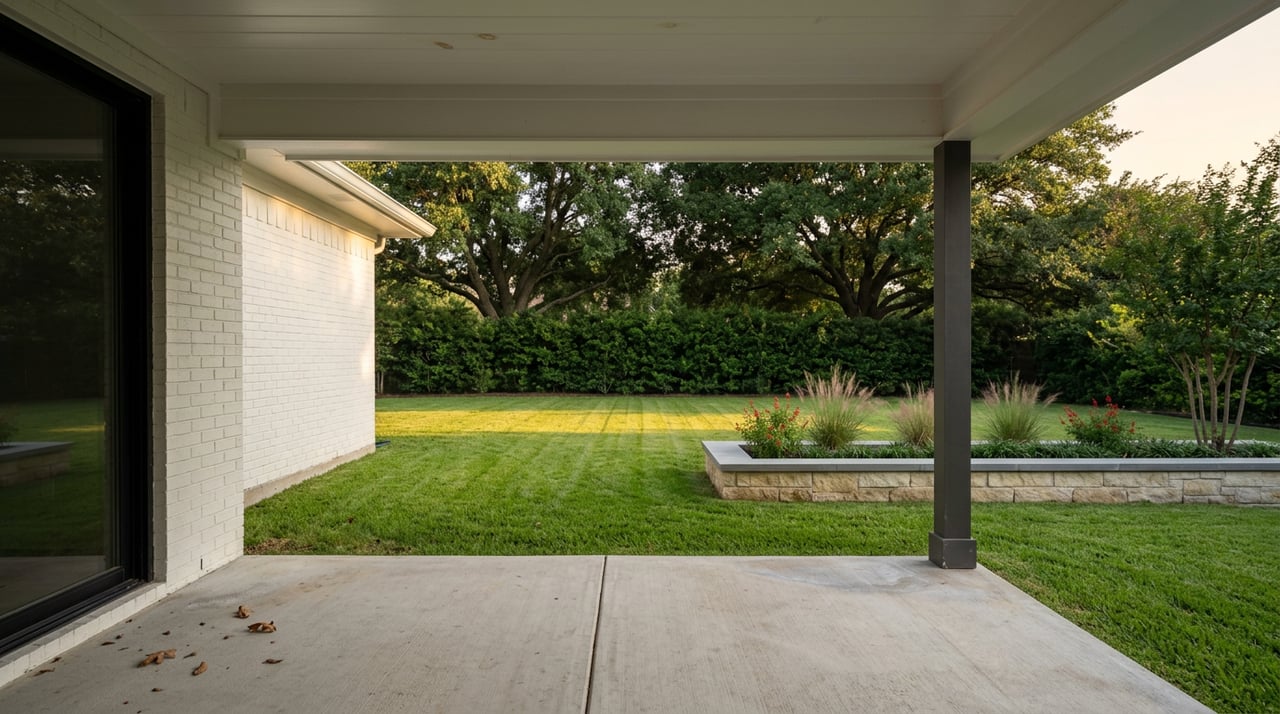
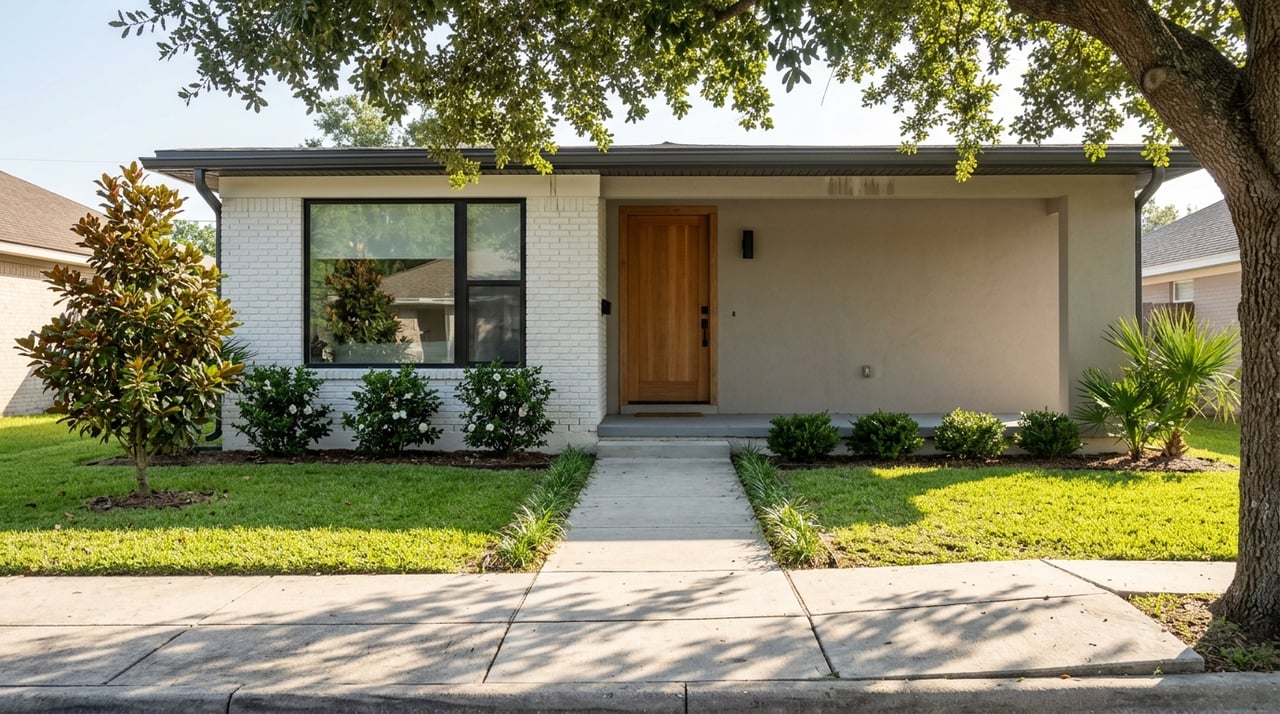
The physical layout of homes and lots affects how a neighborhood feels on foot. In West U, the original housing mix included two-story structures, small cottages, and bungalows. Over time, many of those homes have been replaced by large two-story custom-built houses.
Because the city is largely built out, the neighborhood has a settled street pattern rather than a new master-planned feel. Some buyers also consolidate adjacent lots for additional yard space. This can create noticeable variation from one block to the next, with older homes, updated properties, and newer custom homes all contributing to the streetscape.
Southside Place has its own older-home story. The city’s history notes that bungalow construction began in 1925 and that residents later bought and modernized older homes. That history supports the area’s compact, established character.
Street Design Adds to Neighborhood Feel
West U’s development rules help explain why the streets feel the way they do. The city sets minimum block lengths of 500 feet and maximum lengths of 1,200 feet. It also requires at least 40 feet of street frontage and includes a narrow-site exception for certain detached single-family lots under 55 feet wide and no more than 6,000 square feet.
Just as important, front-yard pervious areas are expected to remain landscaped or natural. That supports a greener, front-yard-oriented streetscape rather than a heavily paved look. For you as a buyer or seller, that helps explain why the neighborhood often feels mature, residential, and visually cohesive.
Who May Enjoy This Lifestyle Most
This area can make sense if you want a residential setting where short walks actually fit into daily life. You may appreciate being able to reach parks, civic spaces, or nearby dining without giving up the feel of a single-family neighborhood. If you like established streets, mature trees, and close-in Houston access, this part of the city checks many boxes.
It may be especially appealing if you are relocating and want a neighborhood that offers both familiarity and convenience. It can also work well if you are weighing the value of inner-loop living and want to understand how lifestyle and home style connect. The key is to match your expectations to the reality of the area: connected and convenient, but not a dense urban district.
What Buyers Should Watch For
If you are buying in West University or the Southside area, it helps to look beyond price and square footage. Pay attention to how close a specific home sits to parks, Town Center, Edloe, or routes you expect to use often. In a neighborhood like this, small location differences can shape your daily routine.
You should also consider the surrounding block pattern and housing mix. Some streets may feel more compact and walk-connected, while others may feel more purely residential. If lifestyle matters as much as the house itself, walking the immediate area can give you a clearer sense of fit.
What Sellers Can Highlight
If you are selling, this area’s lifestyle story matters. Buyers are often drawn to the combination of established homes, close-in Houston access, parks, recreation, and nearby dining and errands. Those practical quality-of-life features can help your home stand out when they are presented clearly.
It also helps to frame the neighborhood accurately. Rather than overselling it as fully urban, position it as a well-located residential area with convenient everyday destinations and strong neighborhood identity. That kind of honest, local context builds trust and helps buyers picture how they would actually live there.
If you want help understanding how West University or the Southside area fits your goals, Shad Bogany can guide you with local insight, patient advice, and full-service support whether you are buying, selling, relocating, or exploring your next move.
FAQs
What is walkable living like in West University and Southside Place?
- Walkable living here is best described as neighborhood-focused and walkable in patches, with parks, civic spaces, nearby dining, and everyday stops close to many residential blocks.
What parks support walking in West University Place?
- West U lists 10 parks, including Colonial Park with a walking track, Friends Park with seating, and the Edloe Street Pathway with benches, a drinking fountain, and a pet station.
What is Town Center in West University Place?
- Town Center is the city’s main mixed-use core, with civic buildings, the Harris County Library Branch, retail on Edloe, and other everyday destinations grouped in one area.
What nearby shopping and dining serve West University and Southside residents?
- Rice Village is a nearby amenity with dining and retail options that include Black Walnut Cafe, D'Amico's, Hopdoddy Burger Bar, Prego, Shake Shack, Sixty Vines, Sweetgreen, Starbucks, and The Rice Box.
What transit options are near West University and Southside Place?
- Nearby options include METRORail’s Red Line and METRO’s 82 Westheimer route, which connects riders to several key Houston destinations and runs frequently throughout the week.
What kinds of homes are common in West University and Southside Place?
- The area includes older cottages and bungalows, updated homes, and newer large two-story houses, with a largely built-out street pattern that gives the neighborhood an established feel.