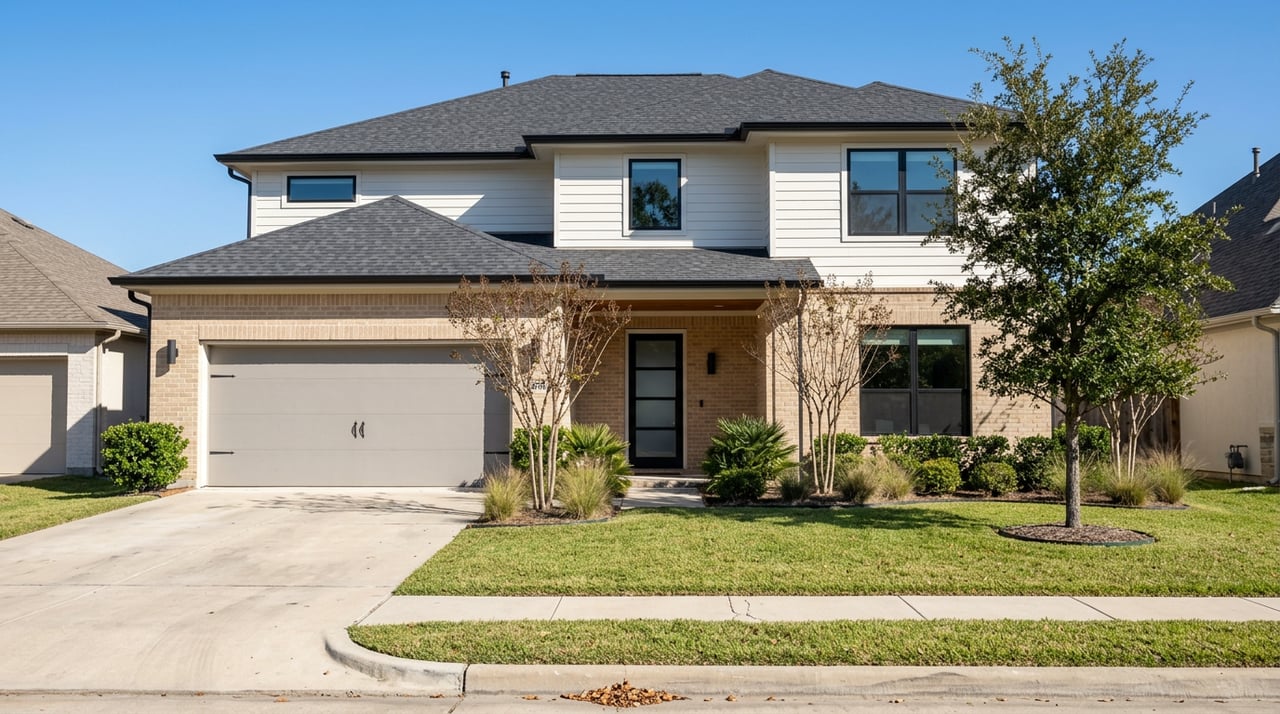
Wondering if Katy fits your life? If you want suburban space, a broad mix of homes, and everyday convenience near major Houston job corridors, Katy should be on your shortlist. You also care about smart tradeoffs like commute, taxes, and flood risk before you buy. In this guide, you’ll see how Katy lives day to day, what homes cost, how people get around, and the key checks to make on any property. Let’s dive in.
Who Katy fits
Katy is a good match if you want a car-friendly suburb with large master-planned neighborhoods, parks, and plenty of retail close by. You value the scale and services of Katy ISD and you are comfortable aligning your home search with school boundaries. You like the idea of newer communities, but you also want options in older, established areas with character.
Where Katy is and what it means
Katy sits about 25 to 30 miles west of downtown Houston, centered at the tripoint of Harris, Fort Bend, and Waller counties. The incorporated City of Katy is smaller in size, while many people say “Katy” to mean the larger area served by Katy ISD. According to the U.S. Census QuickFacts, the City of Katy had an estimated population of 27,741 as of July 1, 2024. The broader district area is much larger.
Katy ISD is a major organizing force for home searches. The district covers about 181 square miles and serves roughly 96,000 students, with multiple high schools and frequent boundary updates as growth continues. Families often begin with a school-boundary map, then choose neighborhoods from there.
For a quick local orientation, learn more about Katy’s location and history on the City of Katy’s overview page.
Getting around and commute basics
Katy lives by its road network. I‑10, also called the Katy Freeway, runs east to Houston’s Energy Corridor, West Houston, and downtown. The Grand Parkway (State Highway 99) forms a north-south loop that ties together suburban job centers and master-planned communities. Many residents also use the Westpark Tollway for access to the Galleria and West Loop.
Daily life is mostly car-based. Public transit is limited compared with inner Houston neighborhoods. The U.S. Census QuickFacts shows a mean travel time to work around 31.3 minutes for City of Katy residents, but your experience varies by neighborhood, route, and time of day. Expect heavier I‑10 congestion at peak hours.
Drive-time expectations by area
- Old Towne Katy near the historic core: Shorter drives to the Energy Corridor via I‑10. Downtown is the longest, especially at rush hour.
- Cinco Ranch and nearby mature communities: Good access to I‑10 and the Grand Parkway. Commutes to West Houston are often the most manageable from here.
- Elyson, Cane Island, and new master plans along 99: Strong access to the Grand Parkway and I‑10. Galleria and downtown commutes are longer and toll-dependent for many routes.
Housing options and price bands
You will find a wide range of properties in Katy, from historic cottages to new-build estates.
- Old Towne and historic Katy: Older bungalows and cottages on smaller lots near the city core with a classic grid and local events.
- Established 1990s–2000s subdivisions: Mature single-family sections in and around Cinco Ranch with trails, lakes, golf, and community pools.
- Large master-planned communities: Newer phases in places like Cane Island and Elyson feature amenity centers, fitness, event lawns, and on-site programming. HOA rules and amenities vary.
- New construction and gated sections: Patio homes, large move-up plans, and custom estate options appear in several enclaves.
- Rentals and townhomes: Apartments and townhome options cluster along I‑10 and major retail nodes for flexible living.
Price bands at a glance
- Entry resale: Low-to-mid $200Ks to $300Ks, often older homes or smaller floor plans.
- Move-up single-family: About $300K to $600K in many master-planned sections and newer resales.
- Higher-end estates: Gated sections and custom builds from roughly $800K to $2M and above.
A recent market snapshot reports a typical Katy home value near the low-to-mid $300Ks. Neighborhoods vary widely, so the right comp set matters more than a citywide number.
Sample scenarios by budget
- Around $275K–$325K: A 3-bed starter in an older subdivision, manageable yard, and access to daily retail nearby. You trade newer finishes for value and location.
- Around $450K–$600K: A 4-bed, 2.5-to-3.5-bath in a master-planned community with a pool, trails, and organized events. You get more space and community amenities.
- $1M and up: A large or custom home in a gated section with upgraded finishes, larger lots, or water or greenbelt views. You gain privacy and premium features.
Everyday life and amenities
Katy’s retail and entertainment scene is robust for daily needs and weekend fun. LaCenterra at Cinco Ranch and Katy Mills Mall anchor shopping and dining, while smaller centers line the Grand Parkway and Texas Heritage Parkway. In summer, Typhoon Texas is a popular waterpark outing.
Parks and outdoors
You can stroll the historic core at Katy Heritage Park for local events and history. Prairie lovers should explore the Coastal Prairie Conservancy’s protected lands just west and northwest of town. The Katy Prairie Preserve offers guided visits and viewing platforms for birding and open-sky sunsets. Regional trail systems and nearby George Bush Park expand your options for running and cycling.
Schools and zoning basics
Katy ISD is a key driver for many home searches. The district covers about 181 square miles and serves roughly 96,000 students. Boundaries can change with new schools, so always confirm the current school assignment for a specific address. Use the Katy ISD boundary lookup tool as part of your due diligence.
Healthcare access
Katy has strong access to hospital and specialty care along I‑10. Memorial Hermann Katy Hospital provides a full-service campus, and pediatric services are available nearby through major providers. If proximity to care is a priority, factor hospital access into your neighborhood shortlist.
Costs and risks to plan for
Buying in Texas comes with a few important tradeoffs and checks.
- Property taxes and total cost: Texas has no state income tax, which is a plus for many households. Property taxes are a key recurring cost and vary by county, school district, and whether a home sits in a Municipal Utility District. For state context, see the Tax Foundation’s overview of tax competitiveness and effective property tax burdens. Learn more.
- Flood risk and drainage: The region has seen major rain and flood events in recent years. Flood risk is highly site specific. Review FEMA flood maps, ask for a seller’s insurance claim history, and study local watershed projects. For project updates and education in nearby watersheds, see regional coverage on ReduceFlooding.com.
- Growth and construction: Katy’s growth brings new roads, schools, and town centers, along with construction zones and changing traffic patterns. The Grand Parkway continues to shape development and travel choices.
How to check flood and tax risk for a house
- Look up the property in your county appraisal district to see assessed value and tax jurisdictions. Compare year-over-year figures to understand trends.
- Review FEMA flood maps and any elevation certificate or flood policy details provided by the seller.
- Ask for a written history of flood insurance claims and any drainage improvements.
- Check local watershed or flood-control project pages for upcoming work that could affect the area. Start with regional resources like ReduceFlooding for education, then verify with county agencies.
Is Katy right for you?
If you want suburban comfort, strong district-scale services, and a wide spread of home choices, Katy offers a compelling mix. You trade longer drives into central Houston for newer master plans, parks, and a dense network of retail and healthcare. With the right due diligence on schools, taxes, and flood risk, you can dial in a neighborhood that fits your budget and daily routine.
Ready to compare neighborhoods and see homes that fit your goals? Connect with Shad Bogany to Schedule a Free Home Consultation. You will get step-by-step guidance on financing, school-boundary checks, and a market-by-market plan across Greater Katy.
FAQs
How far is Katy from Houston job centers?
- Expect shorter drives to the Energy Corridor and longer, traffic-sensitive commutes to the Galleria and downtown. Your exact time depends on neighborhood, route, and hour.
What kinds of homes are common in Katy?
- You will find older bungalows in the historic core, 1990s–2000s single-family in established subdivisions, and newer builds in master-planned communities, plus gated estates.
How do property taxes work in Katy and nearby counties?
- Texas has no state income tax, but property taxes are significant and vary by county, school district, and utility districts. Check the address in your county appraisal district for exact details.
Does Katy flood, and how do I check a home?
- Flood risk varies by location. Review FEMA flood maps, ask for seller claim history, and study local watershed projects; regional updates on nearby watersheds are available at ReduceFlooding.
How are schools assigned in Katy ISD?
- Boundaries can change with new campuses. Confirm assignments for a specific address with the Katy ISD boundary lookup tool and verify during your contract period.