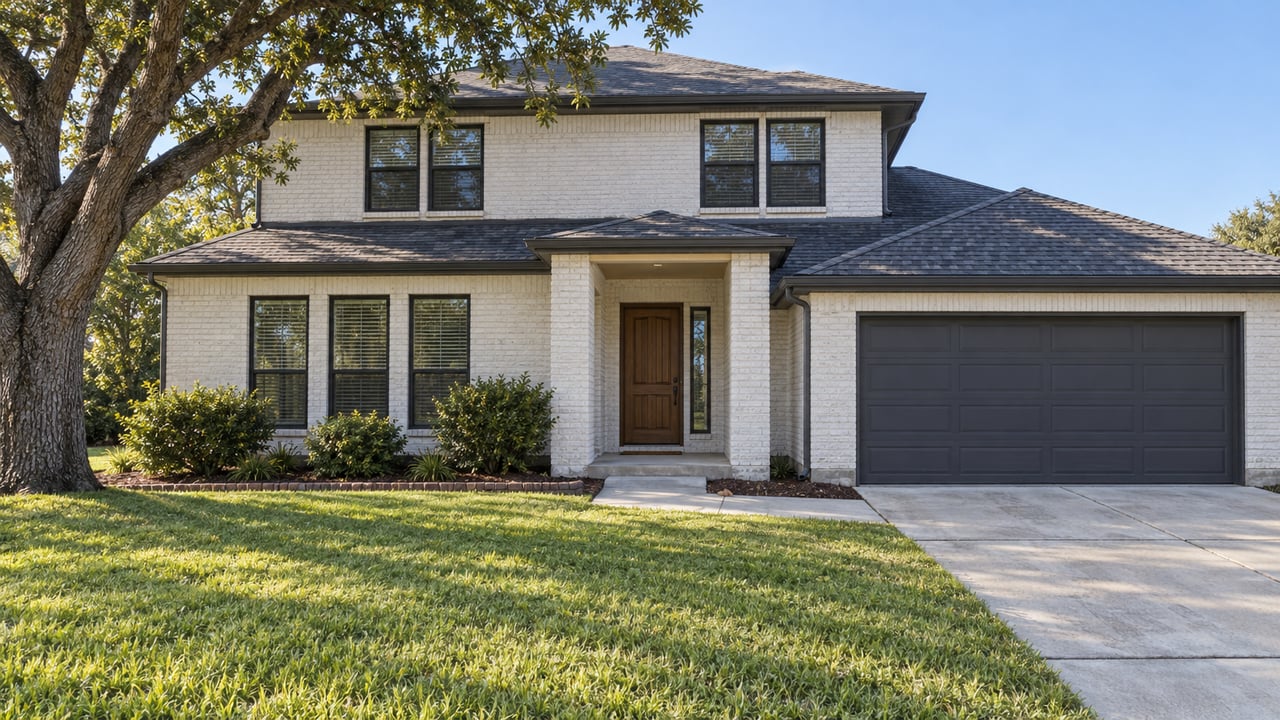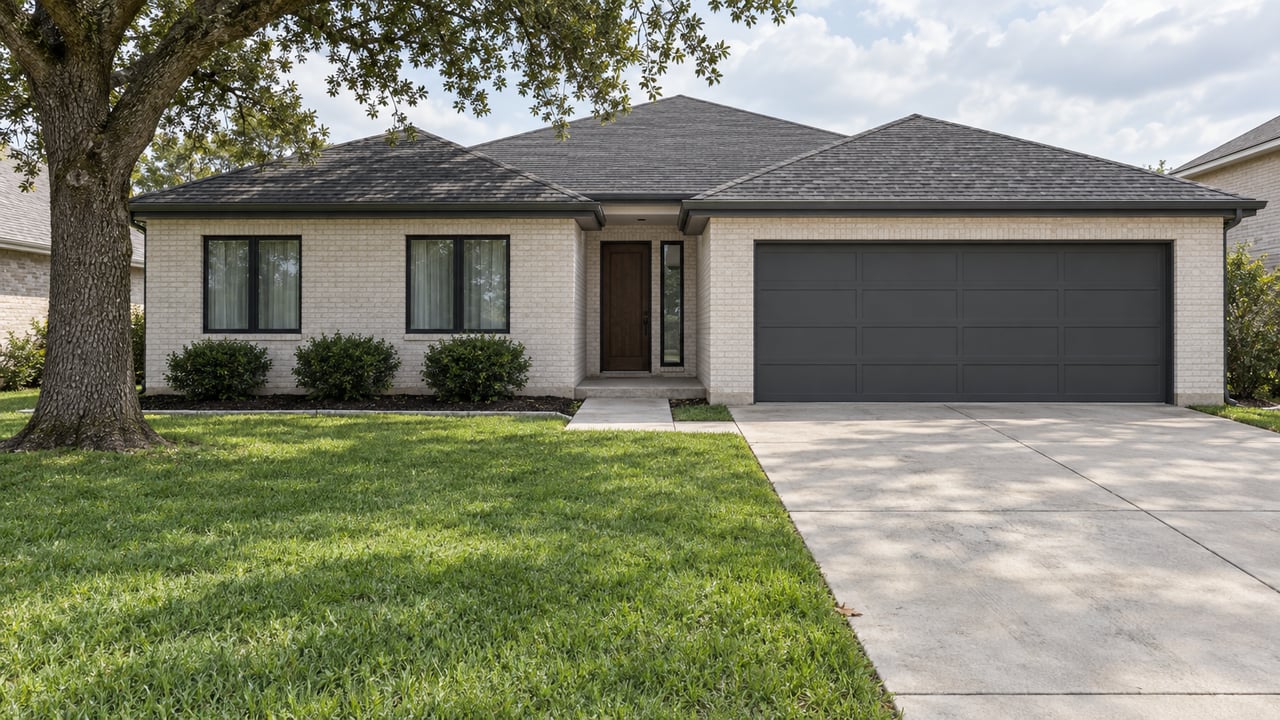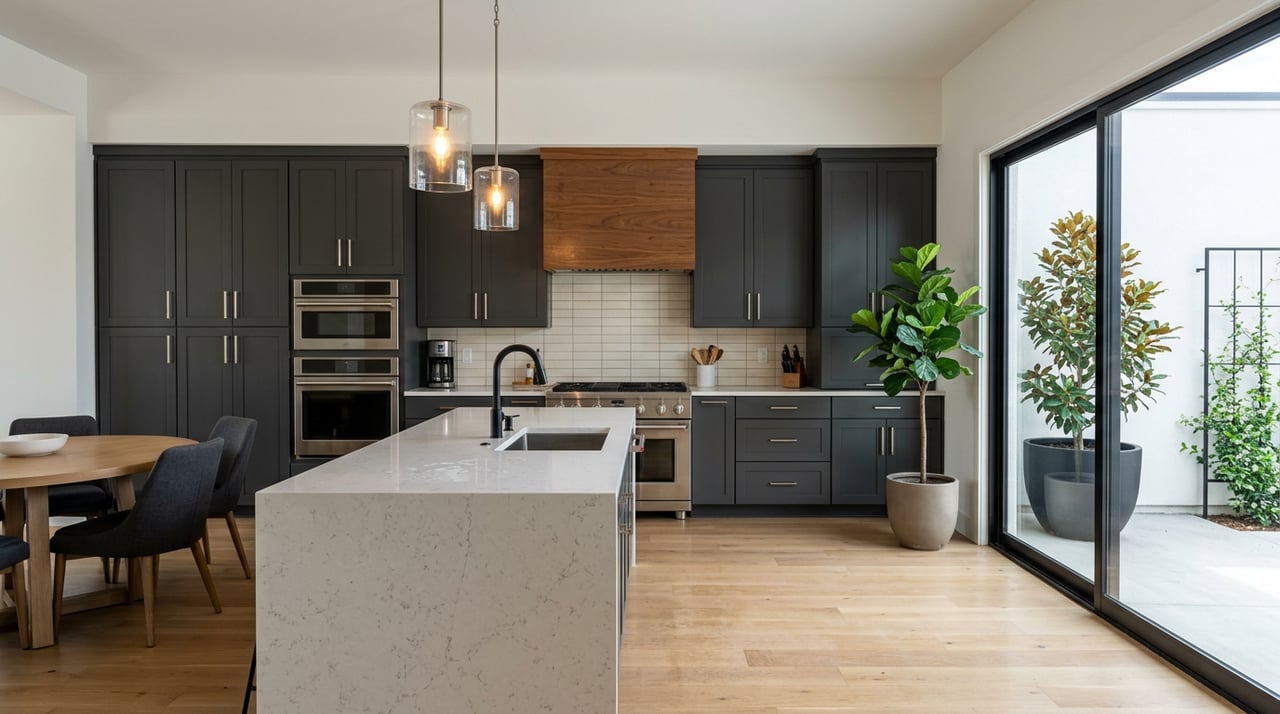
Thinking about trimming square footage, yard work, or stairs without giving up your West U lifestyle? You are not alone. Many neighbors are choosing to right-size so they can enjoy a lower-maintenance home, lock-and-leave flexibility, or a layout that fits the next chapter. In this guide, you’ll learn what the local market means for your timing, how to plan your sale and purchase, and the steps that help you keep more of your equity. Let’s dive in.
West U market: what it means
Recent market snapshots for West University Place show a high-end single-family market with typical sale prices in early 2026 landing roughly in the $1.7M to $2.1M range and price-per-square-foot often above $500. Local listing activity remains more limited than Houston as a whole, and days on market are longer than the ultra-hot pandemic years. Well-prepared, well-priced homes still attract strong interest.
Regionally, inventory moved toward a more balanced environment in 2024 and 2025. That gives buyers a bit more negotiating room than in 2020 and 2021, while sellers of high-quality properties can still capture premium pricing with the right preparation. For local context and data sources, review the West University market overview on HAR and discuss live comps with your agent to fine-tune strategy. You can also see why select West U homes continue to command top offers in this HAR perspective on over-asking sales in 2025 (HAR overview and HAR article).
Bottom line: if you prepare well and price to the market, you can fund your right-size purchase confidently. If you are buying, you will likely have more choice and a little more time to evaluate options than in the recent frenzy.
What right-sizing looks like here
Trade yard for lock-and-leave
Many homeowners move from older bungalows on 50×100 or 50×125 lots into newer, lower-maintenance single-family or townhome options. You trade a large private yard for modern finishes, updated systems, and less weekend upkeep. If lock-and-leave is your priority, focus on properties with simplified landscaping, durable exterior materials, and efficient floor plans that live comfortably on a smaller footprint.
Rebuild on your same lot
If you love your block and routines, you might replace an older home with a taller, modern build on the same lot. This path can deliver today’s layouts and energy efficiency while preserving your address. It does require planning around permitting, tear-down timelines, construction carry costs, and temporary housing. Talk through budget, calendar, and resale impacts before you commit to a design.
Lifestyle drivers to weigh
- Walkability to Rice Village, parks, and local recreation centers can be a deciding factor for many buyers.
- School zoning is often part of the decision. Always verify current boundaries and program options directly with the district before making an offer.
- Flood and elevation risk varies by parcel. Review current FEMA maps and available data, and gather elevation certificates when applicable. Transparency here protects you on both sides of the table (FEMA data resources).
- Municipal context matters. West University Place and Southside Place are incorporated cities with their own services, plan review, and sometimes different tax rates than parcels inside Houston. For reference, you can review the city’s adopted budget documents for rate and service context (City of West U budget).
Choose your move sequence
There is no one-size-fits-all sequence. Match your financing comfort, timing needs, and market constraints to one of these paths.
Sell first, then buy
This route minimizes financing risk because your sale proceeds fund the purchase. It works well if your home is likely to sell quickly and you have flexibility on move-in timing. Plan 30 to 60+ days from listing to closing, depending on buyer financing and negotiations.
Pros: Lower financial risk, clear budget for the next home.
Cons: You may need short-term housing and storage while you shop.
Buy first, then sell
Buying first can strengthen your purchase offer because it avoids a sale contingency. To make it work, many owners use a HELOC, cash-out refinance, or a short-term bridge loan. These tools add cost and require a clear exit plan once your current home sells. Compare rates, fees, and terms carefully, and secure preapproval for the combined scenario before you write offers. For a plain-language overview of bridge loans, review this major bank explainer (Bridge loan basics).
Pros: Stronger offer position, fewer seller objections.
Cons: You may carry two mortgages briefly and pay higher short-term rates or fees.
Use a Texas sale contingency
Texas standard forms provide tools for option periods, earnest money, and special provisions so you can align the sale of your current home with your next purchase. Work with your agent or attorney to draft contingency language and timelines precisely. In competitive situations, consider pairing a contingency with higher earnest money or a shorter option period to keep your offer attractive. You can review the TREC One-to-Four Family Residential Contract details here (TREC standard contract).
Smooth the handoff with a leaseback
If you sell first but need extra time before moving into your next home, a short seller leaseback can bridge the gap. Negotiate dates, rent, utilities, insurance responsibilities, and deposit terms in writing. Your agent and title team will use the proper addenda to make it seamless.
Prep your West U listing for top dollar
In a balanced-to-slightly-buyers market, presentation and planning matter. Focus on the items that move the needle for high-value homes.
High-ROI prep checklist
- Staging that highlights scale and flow. The National Association of Realtors’ 2025 study found staged homes spend less time on market and often see a measurable lift in offer price, commonly in the 1 to 10 percent range. Budget your staging in proportion to the expected uplift (NAR staging insights).
- Professional media package. Use premium photography, floor plans, and if appropriate, drone and twilight shots to capture curb appeal. These assets boost online engagement and showing activity.
- Pre-listing inspection and documentation. Solving issues on your schedule reduces late-stage renegotiation. Keep permits, warranties, and renovation records ready for buyers. Consider a pre-listing inspection to surface maintenance items early (Pre-listing inspection overview).
- Flood and elevation file. If applicable, assemble elevation certificates, mitigation receipts, and flood disclosures up front. This builds buyer confidence and speeds underwriting (FEMA data resources).
- Curb appeal and outdoor systems. Fresh paint, well-trimmed trees, clean driveways, and serviced pool equipment help the first impression.
Pricing and launch strategy
- Use a local MLS-backed Comparative Market Analysis for your primary pricing guide. Public portals can be directionally helpful but often disagree with MLS data in high-variance areas.
- Benchmark price per square foot against recent West U and Southside comps, then adjust for condition, elevation, lot, and updates.
- In a balanced market, small overpricing often increases days on market and invites steeper negotiations later. Aim for compelling, data-driven pricing from day one. For local orientation, review the West U section on HAR and ask your agent for live comps tied to your block and home features (HAR overview).
Marketing plan essentials
- Broker-to-broker outreach and buyer list targeting inside the Inner Loop.
- Staging focus on living areas, kitchen, and the primary suite.
- Floor plans and 3D tours for remote or relocation buyers.
- Strategic open houses and private previews to create momentum.
Nearby alternatives to compare
If you want to keep your routines but adjust the space, these nearby areas are common comparisons:
- Bellaire. Independent city west of West U with larger lots and an active civic environment. A good option if you want more yard while staying close to West U amenities.
- Southampton and the Rice Village area. Tree-lined streets with direct access to shops and dining. Price points can be comparable on select blocks, with a mix of preserved historic homes and high-end renovations.
- Braeswood Place and Southgate. Family-friendly parks and a quieter street grid, plus varied lot and home styles. For a neighborhood overview within the HAR ecosystem, see this Braeswood Place resource (Braeswood Place context).
- Meyerland and Willowbend. Often larger lots and more single-story options at lower price per square foot than West U. Confirm flood history and elevation when comparing.
- River Oaks, Upper Kirby, and Montrose. If you prefer denser, more urban living and nightlife or cultural access, explore these areas as a different tradeoff set.
A simple 60–90 day plan
Right-sizing goes smoother with a clear calendar. Here is a practical outline:
- Weeks 1–2: Define your target lifestyle and budget. Decide if you will sell first or buy first. Meet with your agent and lender to map financing and timing. Order a pre-listing inspection if you plan to sell soon.
- Weeks 2–4: Complete priority repairs, declutter, and schedule staging. Gather documentation: permits, warranties, service records, survey, and elevation certificate if applicable.
- Weeks 4–6: Finalize pricing using a fresh CMA. Produce photography, floor plans, and marketing materials. Soft-launch to agent networks.
- Weeks 6–10: Go live on MLS, host showings, and adjust strategy based on feedback. If you secure an offer, consider a leaseback if you need move-out flexibility.
- Weeks 10–13: Navigate option period, appraisal, and buyer financing milestones. Prepare for closing and line up your next home or interim housing.
Ready to right-size? Let’s talk
Whether you plan to downsize, lock-and-leave, or rebuild, you deserve clear guidance and an advocate who knows West U and Southside block by block. Our team brings decades of Houston market experience, fair-housing advocacy, and a full-service approach to pricing, preparation, and negotiation. If you want a calm, informed move that protects your time and equity, connect with Shad Bogany for a friendly, no-pressure conversation.
FAQs
What does right-sizing mean in West University/Southside?
- It means aligning your home with your current lifestyle, often by moving from an older bungalow or larger-lot property to a newer, lower-maintenance home or rebuilding on the same lot for a modern layout.
What price range should I expect for West U homes in 2026?
- Market snapshots show typical single-family sales around $1.7M to $2.1M with many properties trading above $500 per square foot; verify with live MLS comps and the local overview on HAR for up-to-date context (HAR overview).
How long will it take to sell a well-prepared West U home?
- Timelines vary by price, condition, and strategy, but a common path includes 4 to 8 weeks of prep and 2 to 8+ weeks on market; well-priced, well-presented homes can still draw quick, premium offers in this area (HAR article).
What documents should I gather before listing?
- Pull permit history, remodel receipts, warranties, recent service records for roof/HVAC, HOA docs if any, survey, and an elevation certificate if applicable. A pre-listing inspection can help you manage repairs on your timeline (Pre-listing inspection overview).
Do I need flood insurance in or near West U?
- Flood risk is parcel-specific. Review FEMA maps and any elevation data for your property, and discuss coverage with your insurer and lender before listing or buying (FEMA data resources).
How are property taxes different in West U and Southside Place?
- These are incorporated cities with their own services and, at times, different tax rates than nearby Houston addresses. Review current city budget materials and your parcel’s tax records to compare total obligations (City of West U budget).
What are my options if I need to buy before I sell?
- Consider tools like a HELOC or a short-term bridge loan, and ask your lender to model payments, fees, and timelines so you have a clear exit plan once your current home sells (Bridge loan basics).